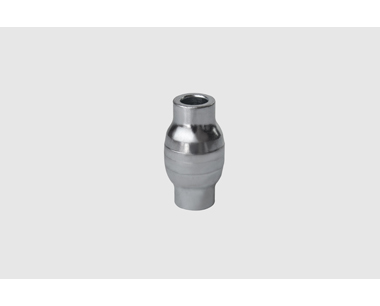
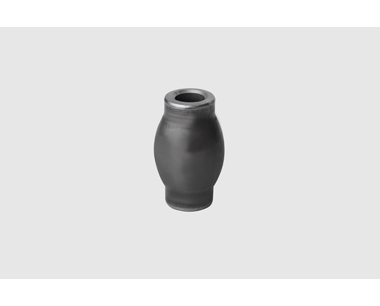
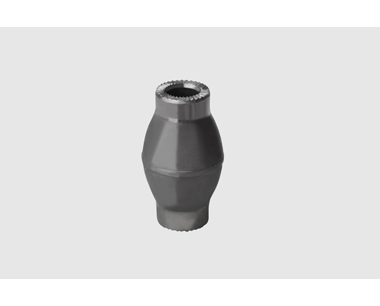
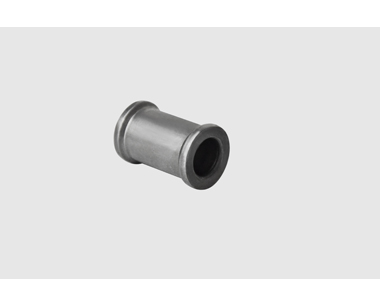
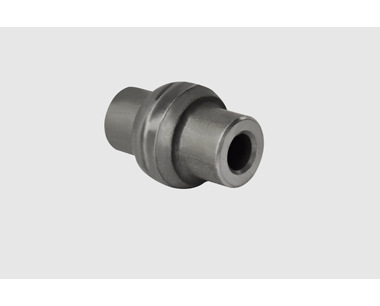
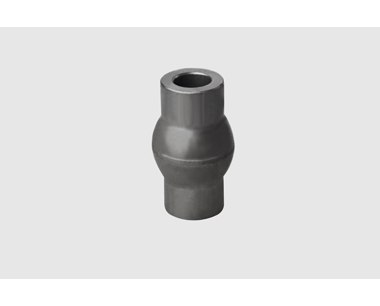
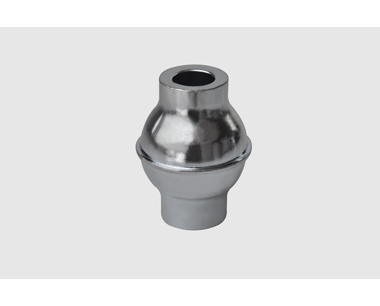
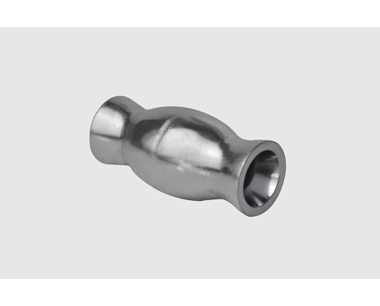
Shun Yui was founded in 1988 and operates a factory in Xiushui Township, Changhua County. The company has metal circular sawing, fiber laser tube cutting, turning/chamfering, metal forming, automatic optical sorting, automatic length inspection, and automatic inner-diameter inspection equipment. If forged parts or cold extrusion parts require subsequent cutting, chamfering, dimensional inspection, or assembly with tube components, buyers can provide drawings and application conditions during inquiry so Shun Yui can review process flow and production feasibility.
Shun Yui has an average capacity of about 400 tons per month and has metal circular sawing, fiber laser tube cutting, turning/chamfering, metal forming, and multiple automatic inspection machines.
Forged parts or cold extrusion parts are commonly used for components that need load support, assembly stability, or dimensional consistency.
If you are looking for custom forged parts or cold extrusion parts, forging process support, or a forged parts supplier, provide drawings, sample photos, material, dimensions, tolerances, quantity, and secondary-process needs. Shun Yui can review process flow and quotation direction according to part application, inspection conditions, and production demand.
Provide drawings, sample photos, material, dimensions, tolerances, quantity, application, secondary processing, and inspection requirements. If the part must be assembled with tube parts or other metal components, also explain mating-part conditions.
This can be reviewed according to part drawings and equipment conditions. Site information shows Shun Yui has tube cutting, laser tube cutting, turning/chamfering, metal forming, and automatic inspection equipment, so secondary process flow can be discussed during inquiry.
Forging can be reviewed when parts need load support, fixed assembly, dimensional consistency, or secondary precision processing. Actual feasibility still depends on material, dimensions, tolerances, quantity, and application.
Buyers should provide drawings, sample photos, material, dimensions, tolerances, quantity, surface requirement, packaging needs, and destination country so Shun Yui can review the process route and quotation.